
Homeowners in Ogden and surrounding Northern Utah communities often experience an increase in oven breakdown, especially during cooking season. Gas and electric ovens may look similar, but the way they heat, fail, and get repaired is very different. Understanding these differences can help you diagnose issues more accurately, avoid unnecessary repairs, and know what to expect when scheduling service.
According to the U.S. Consumer Product Safety Commission, persistent gas odors should always be treated as a safety concern and professionally inspected. This guide breaks down how each type of oven works, the most common problems in each, and when the repair is DIY-friendly versus when it requires a trained technician.
How Gas and Electric Ovens Heat
Before we compare repairs, it helps to understand how each type produces heat.
Gas Ovens: Heat From an Open Flame
Gas ovens use:
- A gas line
- An igniter
- A burner assembly
- A safety valve
- Flame sensors
The igniter must reach a specific temperature to open the safety valve, allowing gas to ignite. If any of these components fail, the oven may not heat at all or may heat unevenly.
Electric Ovens: Heat From Electrical Elements
Electric ovens rely on:
- Bake element (lower)
- Broil element (upper)
- Temperature sensors
- Control board
- High-voltage wiring
If an element burns out or the sensor misreads the temperature, the oven will heat poorly, unevenly, or not at all.
Common Problems in Gas Ovens
Gas ovens have predictable failure points, and most involve the ignition system.
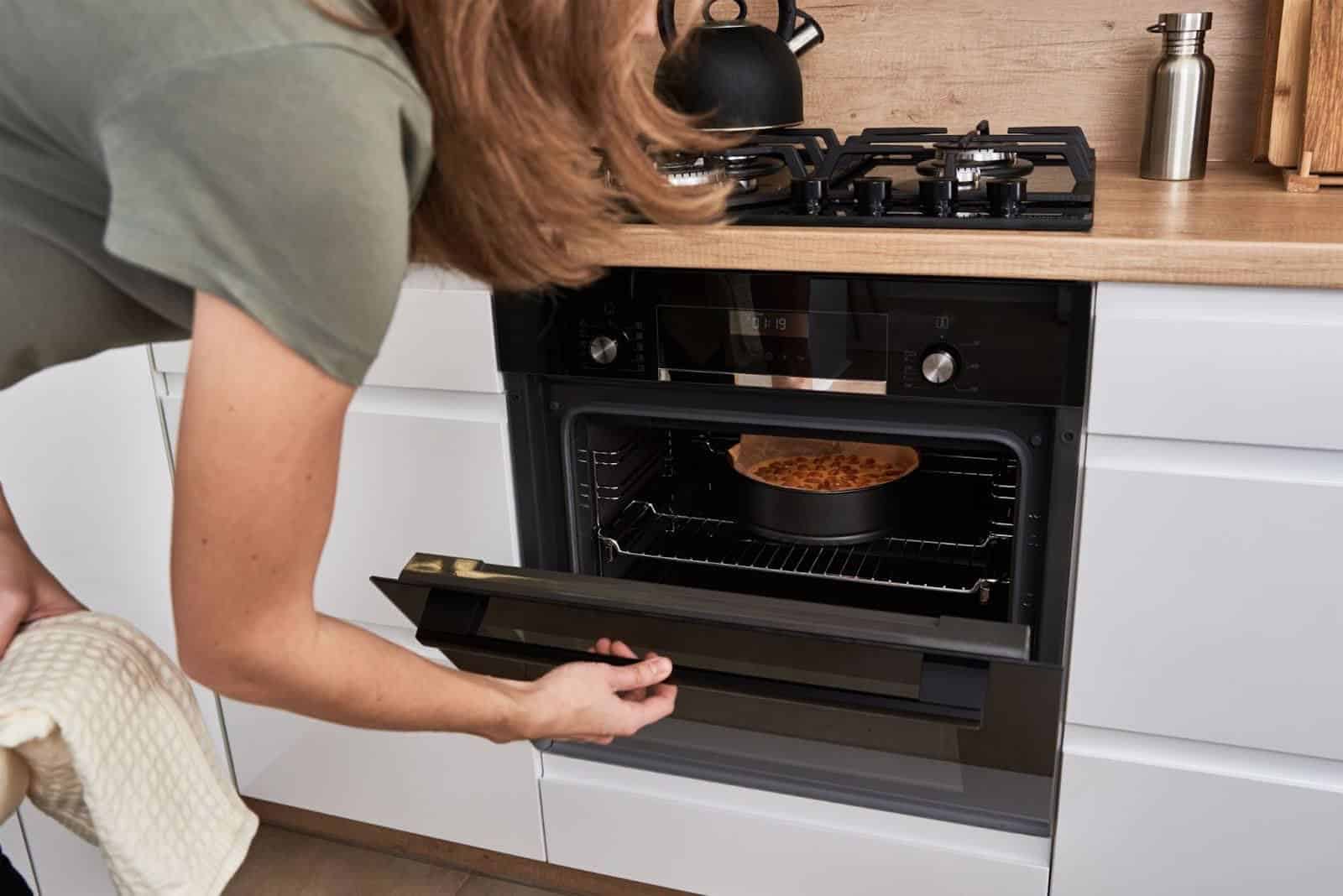
1. Weak or Failing Igniter
This is the #1 issue with gas ovens. Even if the igniter glows, it may not draw enough current to open the gas valve.
Symptoms:
- Oven takes a long time to heat
- Gas smell before ignition
- Oven never lights
- Uneven or inconsistent heating
For a deeper breakdown of heat loss symptoms, see our guide on what to check when your oven isn’t heating.
2. Faulty Safety Valve
If the igniter works but the oven still won’t light, the safety valve may be stuck closed. This is not a DIY repair. Gas components require professional testing.
3. Dirty or Clogged Burner Assembly
Food drippings, grease, or carbon buildup can block gas flow.
Symptoms:
- Delayed ignition
- Loud “whoosh” sound
- Uneven flames
A technician can clean the burner and inspect for hidden damage.
4. Failing Temperature Sensor (Gas Models Too)
Gas ovens also use temperature sensors. If the sensor is damaged or misreading, the oven may:
- Overheat
- Underheat
- Cycle inconsistently
This issue ties into several problems covered in our common oven problems and how to prevent them guide.
Common Problems in Electric Ovens
Electric ovens fail for different reasons, usually related to electrical components.
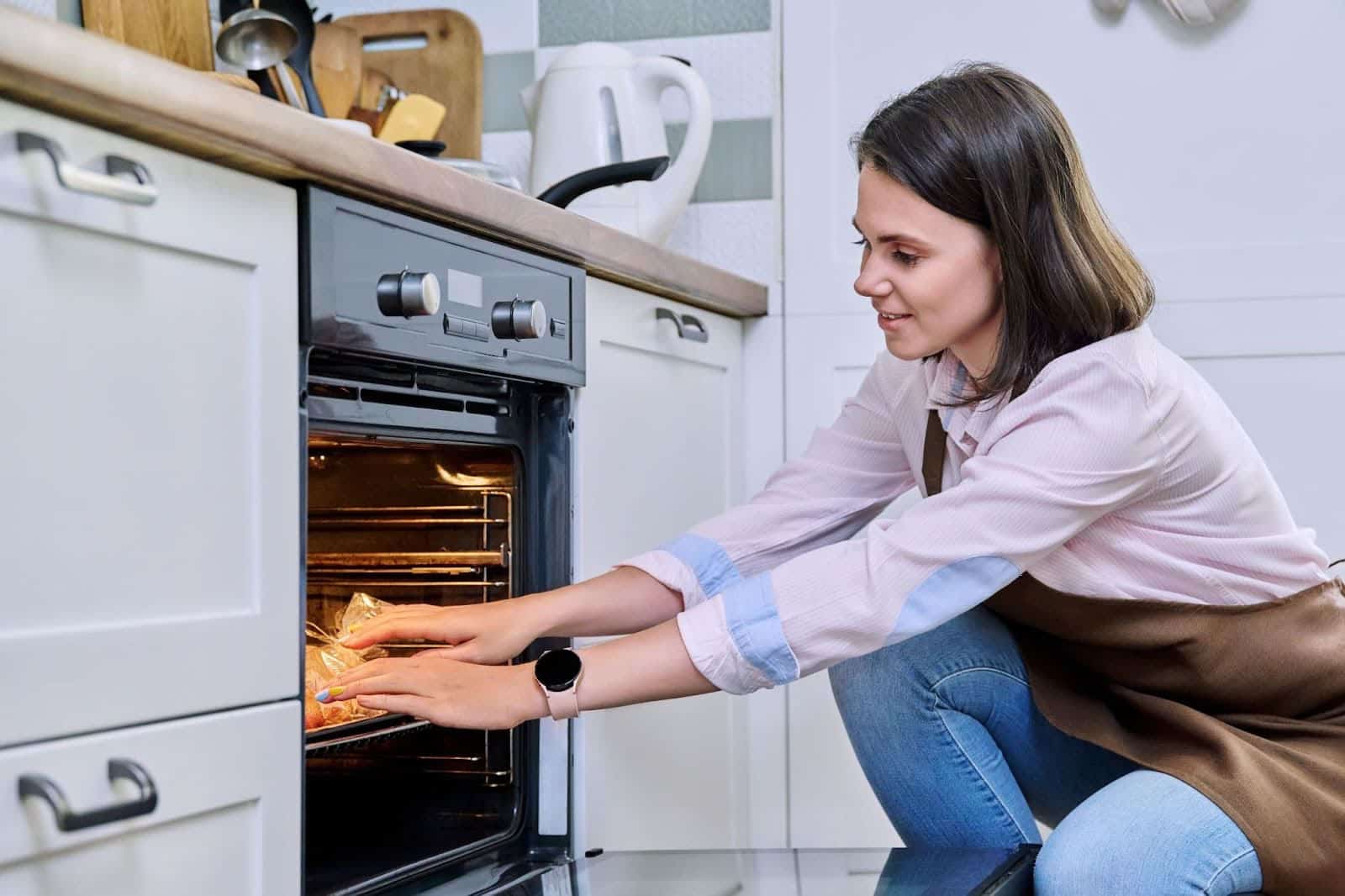
1. Burned-Out Heating Elements
A failed bake element is the most common reason an electric oven won’t heat.
Symptoms:
- Element doesn’t glow red
- Visible cracks or bubbling
- Only broil works
- Long preheat times
If you want to replace your own element, bring your model number to our Ogden parts store, and we’ll help match the exact bake or broil element you need.
2. Faulty Temperature Sensor
Electric ovens rely heavily on sensors to regulate heat.
A failing sensor can cause:
- Inaccurate temperatures
- Overheating
- Undercooking
- No heat at all
Sensor issues appear frequently in our troubleshooting guide for ovens that won’t heat.
3. Control Board Failures
The control board manages:
- Temperature
- Power to elements
- Timing
- Heat cycles
If it begins to fail, you may see:
- Flickering displays
- Error codes
- No heat
- Buttons that stop responding
Control boards require professional replacement, as they involve high-voltage wiring.
4. Wiring or Terminal Block Damage
High heat and repeated current flow can cause wiring damage.
Signs include:
- Burning smells
- Intermittent power
- Tripped breakers
- Visible charring
If you suspect wiring issues, stop using the oven and schedule service immediately.
Which Repairs Are Safe to DIY?

DIY-Friendly for Electric Ovens:
- Replacing an oven light
- Cleaning debris around an element
- Resetting the breaker
- Calibrating temperatures
For guidance on safe DIY steps, read our DIY oven repair dos and don’ts.
DIY-Friendly for Gas Ovens:
Very limited. Gas igniters, valves, and burner assemblies should not be replaced without proper training.
The only safe DIY actions include:
- Cleaning exterior debris
- Checking settings
- Verifying gas supply is on
For any component replacement, schedule a technician.
Which Repairs Should Always Be Professional?
Professional Repairs for Gas Ovens:
- Igniter replacement
- Burner assembly cleaning
- Gas leaks
- Safety valve replacement
- Sensor replacement
- Control board issues
Gas repairs must meet strict safety standards for your household’s protection.
Professional Repairs for Electric Ovens:
- Heating elements (if wires are charred or damaged)
- Control board replacement
- Wiring repairs
- Thermal fuse replacement
- High-voltage diagnostics
If you’re unsure whether a repair is DIY-appropriate, our technicians can help identify the safest option.
Repair Costs: Gas vs. Electric
Although costs vary by model, here’s a general overview:
Electric Ovens
- Heating elements: Low–moderate
- Sensors: Low
- Control boards: Moderate–high
- Wiring repairs: Moderate
Gas Ovens
- Igniters: Low–moderate
- Safety valves: Moderate–high
- Burner assembly repair: Moderate
- Gas leaks or valve issues: High
Which One Is More Reliable?
Both gas and electric ovens can last 10–15+ years, but their weak points differ:
- Gas ovens often fail at the igniter first.
- Electric ovens often fail at the heating element or sensor.
Routine care, like cleaning, avoiding harsh chemicals, and replacing worn gaskets, helps dramatically. Our appliance maintenance guide includes a long-term checklist.
Gas vs. Electric Oven Repairs
Gas and electric ovens may look the same, but their repair needs are completely different. Gas ovens require high-temperature ignition components, while electric ovens rely on high-voltage elements and sensors. Knowing how each system works helps you make better repair decisions and avoid unsafe DIY attempts.
If your oven isn’t heating, smells unusual, or shows signs of a failing component, the experienced team at iFiX Appliance Repair can diagnose the issue quickly. And if you’re handling a small repair yourself, our Ogden parts store can help match elements, igniters, and sensors to your exact model. Just bring your appliance number.
If you’re ready to get your oven back to reliable performance, you can book your oven repair service anytime. And if you want a broader overview of troubleshooting and solutions, our Complete Guide to Oven Repairs is a great next step.
Call (801) 731-4349 or book online. Same-day appointments available.