Not every oven problem requires professional service, but not every DIY oven repair should be handled on your own either. Knowing what’s safe to fix yourself and what’s better left to a professional can save you time, money, and prevent serious safety risks.
Homeowners in Ogden and surrounding Northern Utah communities often ask what they can safely fix themselves. This guide explains which oven repairs are DIY-friendly, which ones are dangerous, and how to decide when it’s time to call a professional.
What You Can Safely Fix Yourself
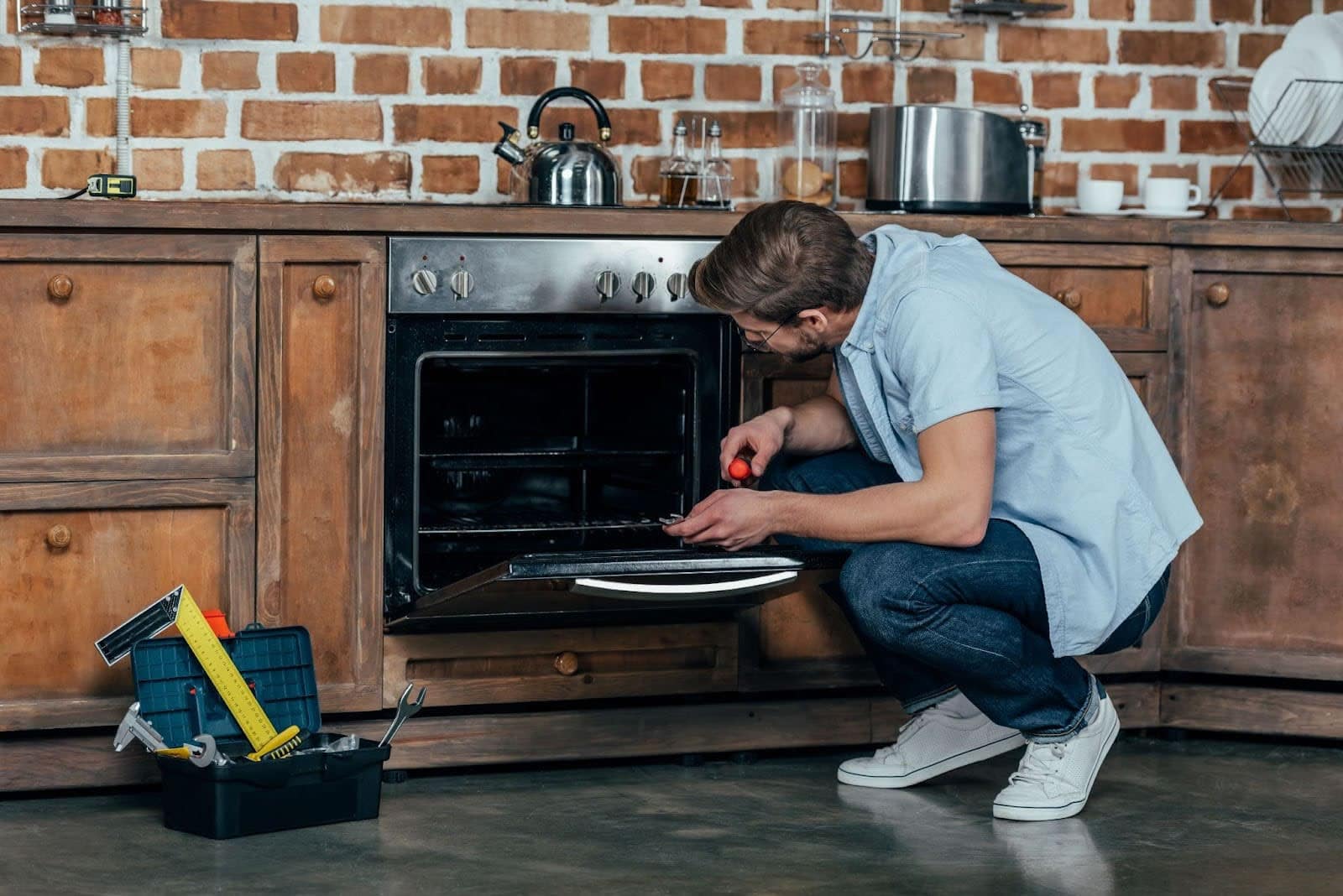
There are a few oven-related tasks that most homeowners can handle safely with basic tools and common sense.
Replacing an Oven Light
If the interior light stops working:
- Turn off the power to the oven.
- Remove the old bulb.
- Install the correct replacement bulb rated for oven use.
This quick fix improves visibility and safety when checking food.
Resetting a Tripped Breaker
Electric ovens pull significant power. If your oven suddenly stops working:
- Check your breaker panel.
- Flip the breaker fully OFF, then ON.
If it continues to trip, that points to a bigger electrical issue that needs diagnosis.
Cleaning Debris Around the Heating Element
Grease, crumbs, and baked-on spills can:
- Create burning smells
- Reduce heating efficiency
- Lead to premature part failure
Use a dry brush or gentle cleaner to remove debris—never scrape a hot element or soak electrical parts.
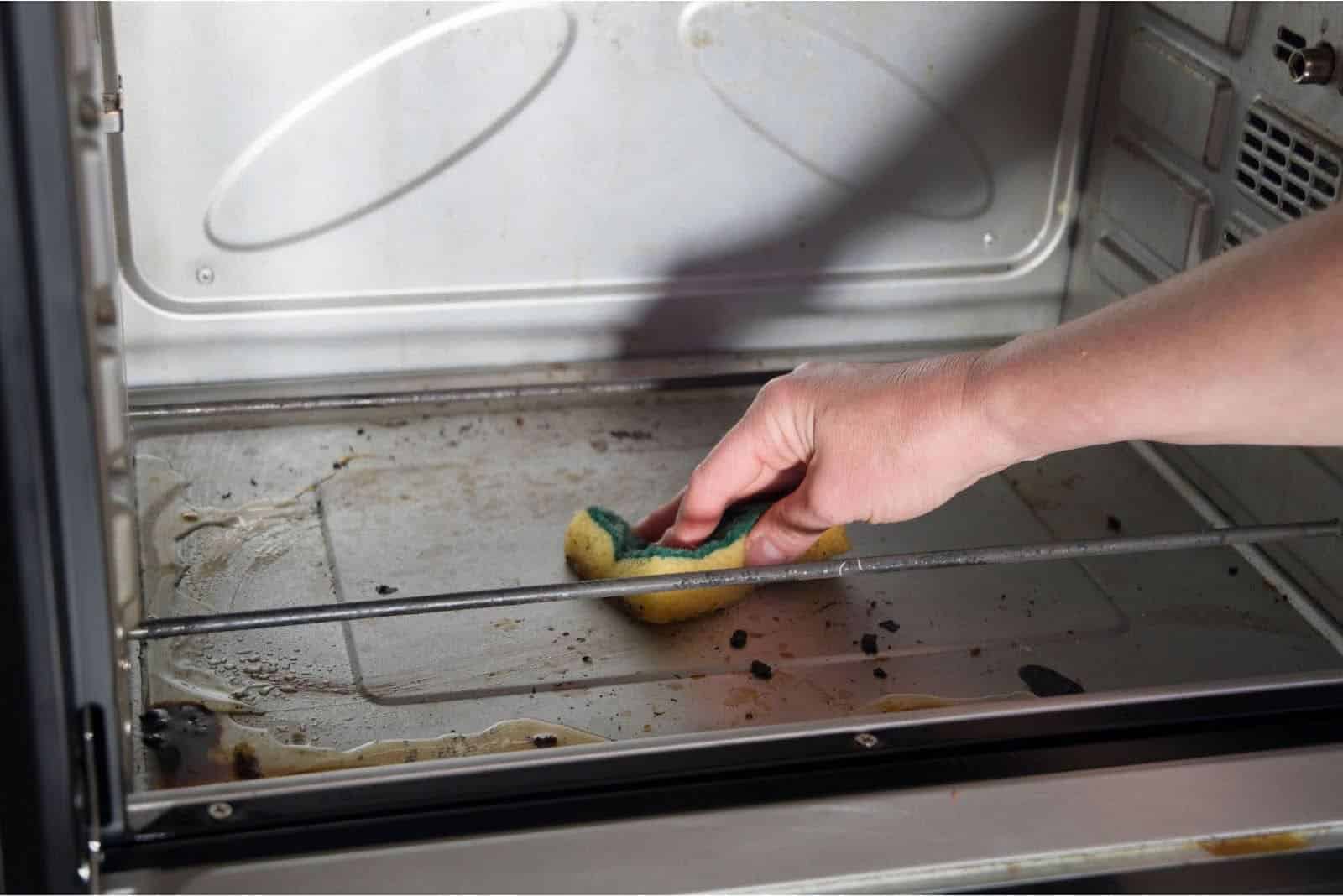
If burning smells are your primary issue, our guide on strange oven odors and what causes them breaks that down in detail.
Calibrating the Oven Temperature
Some ovens allow manual calibration if the temperature is consistently off.
Check your user manual for:
- Button sequences
- Calibration modes
- Adjustment limits
If food consistently undercooks or burns, our article on what to check when your oven isn’t heating properly provides additional troubleshooting steps.
Replacing Simple Parts (With Help)
Certain parts are safe to replace if you match the model number correctly:
- Oven lights
- Door gaskets
- Racks
- Basic temperature sensors (model-dependent)
If you’re picking up parts yourself, stop by our Ogden parts store and bring your appliance model number. We’ll help you match the exact replacement part to your oven.
What You Should NOT Repair Yourself
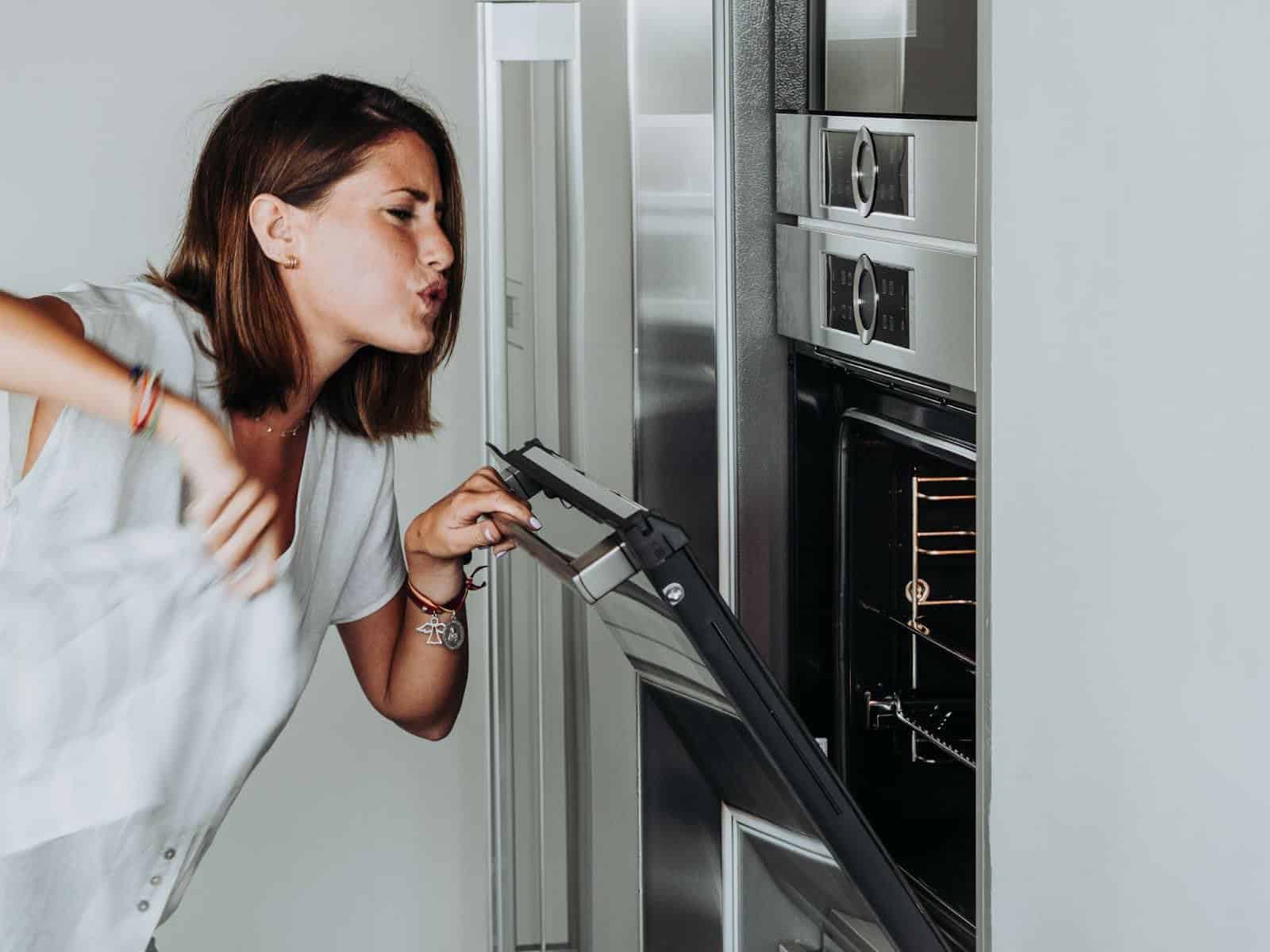
Some oven repairs involve gas, high voltage, or sensitive electronics. These should always be handled by trained professionals.
Gas Components
Never attempt to repair:
- Gas igniters
- Safety valves
- Burner assemblies
- Gas connections
Gas failures can leak, misfire, or fail to shut off properly. If you smell gas, stop using the oven immediately.
Control Boards
The control board is the brain of your oven.
Signs it’s failing:
- Error codes
- Buttons not working
- Display flickering
- No response at all
Control boards are expensive and delicate. Testing one incorrectly can damage it further.
Electrical Wiring and High-Voltage Components
Never attempt repairs involving:
- Exposed wires
- Terminal blocks
- Thermal fuses
- Internal breakers
These systems can arc, spark, and cause injury if improperly handled.
Igniter Replacement
Even though igniters look simple, they draw electrical current while controlling gas flow. A weak or miswired igniter can delay ignition or leak gas. This is not a DIY fix.
How to Know When DIY Has Reached Its Limit
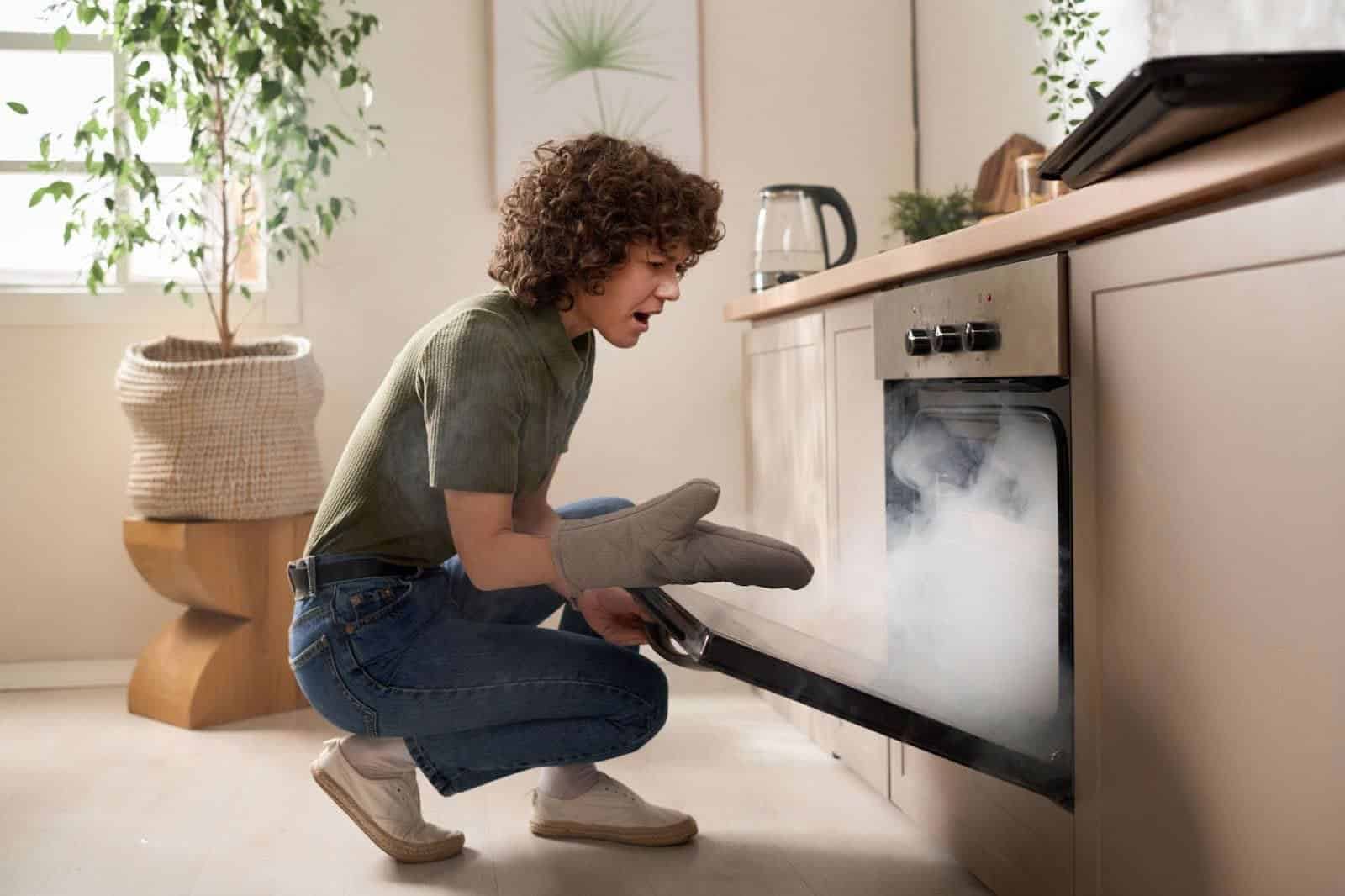
DIY work is done when:
- The oven still won’t heat
- You smell gas or burning
- The breaker keeps tripping
- Error codes continue
- Parts visually fail
- You’re uncertain what failed
In those cases, professional diagnostics prevent guesswork and unnecessary part replacements.
Our oven, stovetop, and range repair page explains what happens during a technician visit and what issues we check.
Why Guessing Gets Expensive
Replacing parts without diagnosis often:
- Leads to wrong part orders
- Creates new electrical issues
- Voids warranties
- Wastes money
That’s why we recommend confirming the exact failure before replacing any parts, especially with control boards and igniters.
Prevent Future Repairs With Routine Care
Most breakdowns start small.
You can reduce failures by:
- Wiping up spills before they harden
- Avoiding harsh chemicals
- Inspecting door seals annually
- Keeping vents clear
For a full care checklist, our appliance maintenance guide explains how simple habits prevent major failures.
You can also avoid emergencies by understanding the most common oven problems and how to prevent them before they start.
Smart DIY Saves Money, Unsafe DIY Costs More
There’s nothing wrong with handling small oven repairs yourself when it’s truly safe to do so. Cleaning, lights, calibration, and minor part swaps are usually fine. But ignition systems, wiring, and electronic boards should never be DIY repaired.
If you’re unsure what’s wrong or need professional help, the experienced team at iFiX Appliance Repair is ready to assist. Call (801) 731-iFiX to schedule service.
And if you only need parts, our Ogden appliance parts store can help you find the right replacement. Just bring your model number.
You can also book your oven repair service anytime, and if you want the full breakdown of repair topics, our Complete Guide to Oven Repairs covers everything in one place.
Call (801) 731-4349 or book online. Same-day appointments available.