
Strange odors coming from your oven can be alarming and in some cases, dangerous. Whether it’s a burning smell, a chemical odor, a gas scent, or something that just doesn’t seem right, identifying the cause quickly is important for both safety and performance.
This guide walks you through the most common oven smells, what causes them, which smells are normal, and when to call a technician for help.
Burning Smells: The Most Common Oven Odor
A burning smell is the most frequent complaint homeowners experience, and the causes range from harmless to serious.
1. Food Debris Burning Off
Leftover grease, crumbs, or spills can burn every time the oven heats up. This is especially common after baking or roasting.
Fix:
- Clean the bottom panel
- Remove large food debris
- Avoid chemical cleaners if you have a self-cleaning oven
If you want long-term care tips, our appliance maintenance guide explains how to prevent buildup that causes recurring burning smells.
2. New Oven Smell (Normal)
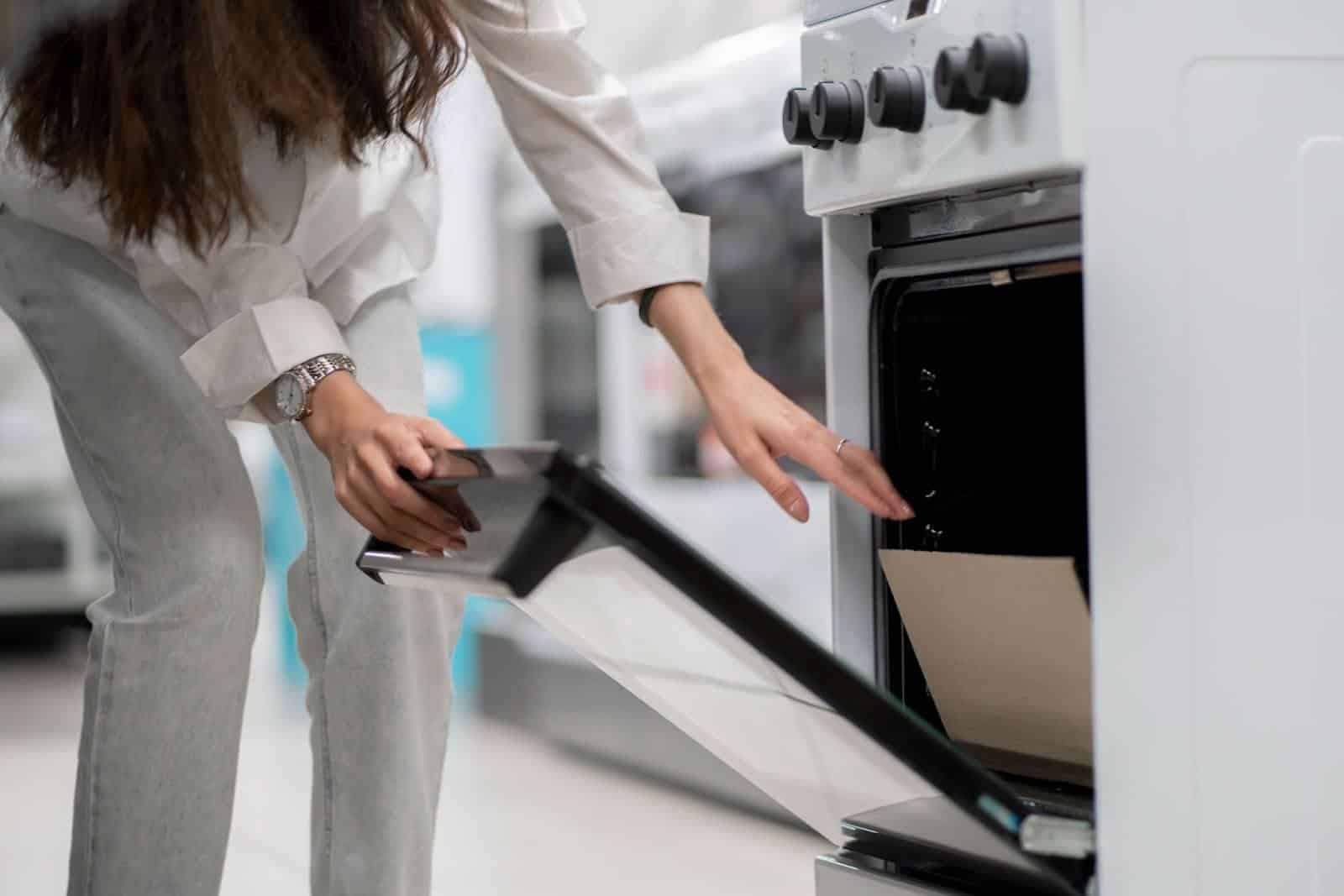
If your oven is brand new, a “burning plastic” or chemical smell is normal during the first one to two uses. Manufacturing oils and protective coatings burn off as the oven heats for the first time.
Fix:
- Run the oven empty at 400–450°F for 30–60 minutes
- Open windows or use ventilation
If the smell persists after several uses, there may be a deeper issue—continue reading for next steps.
3. Failing Heating Elements (Electric Ovens)
If the odor resembles burning rubber, metal, or electrical components, the heating element may be failing.
A failing element can:
- Overheat
- Burn unevenly
- Crack or bubble
- Cause electrical smells
If you suspect the element is damaged, stop using the oven.
You can bring your model number to our Ogden parts store, and we’ll help match you with the correct heating element.
For more details on element-related failures, our guide on ovens not heating properly explains the symptoms and what to check next.
Chemical or “Burning Plastic” Smells
Chemical smells can be normal or a warning sign.
1. Residue From Oven Cleaners
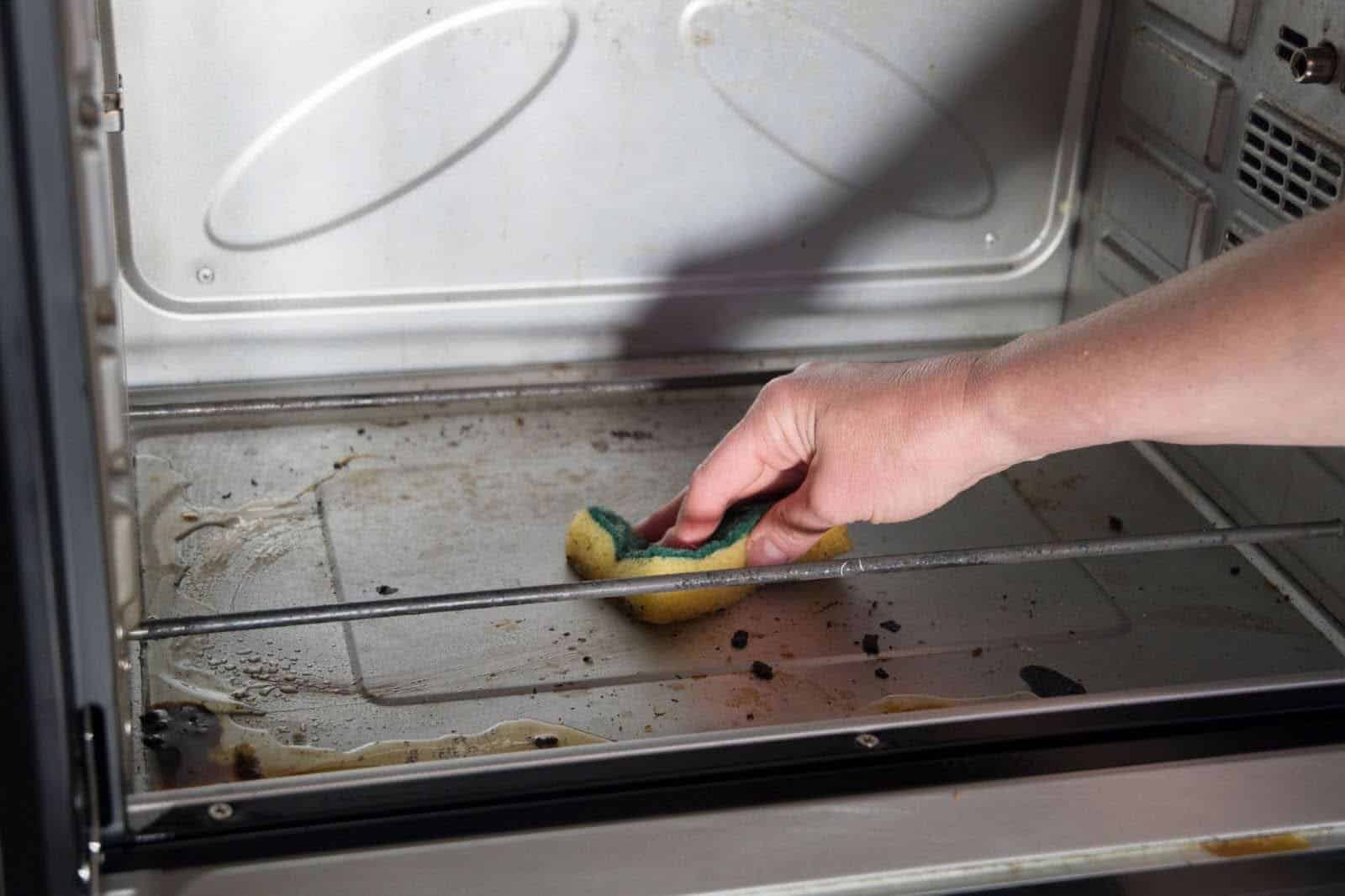
Using heavy chemical sprays can leave behind residues that burn when the oven gets hot.
Fix:
- Wipe with warm water and mild soap
- Avoid spraying electrical components
- Never use cleaners on self-cleaning ovens
Refer to our DIY oven repair dos and don’ts for safe cleaning practices.
2. Protective Coatings on New Parts
Replacement parts, like new elements or sensors, can release a chemical smell the first time they heat up.
This is normal for:
- New heating elements
- New racks
- New sensors
- New interior components
If you recently performed a DIY repair and bought parts from the iFiX Appliance Parts Store, a short burn-in smell is expected.
3. Melting or Heated Plastic From Nearby Items
Sometimes the smell isn’t coming from the oven itself. Items like:
- Plastic bowls
- Food storage bags
- Cutting boards
- Utensils
can melt if left on or near the oven vent.
Gas Smells: Take These Seriously
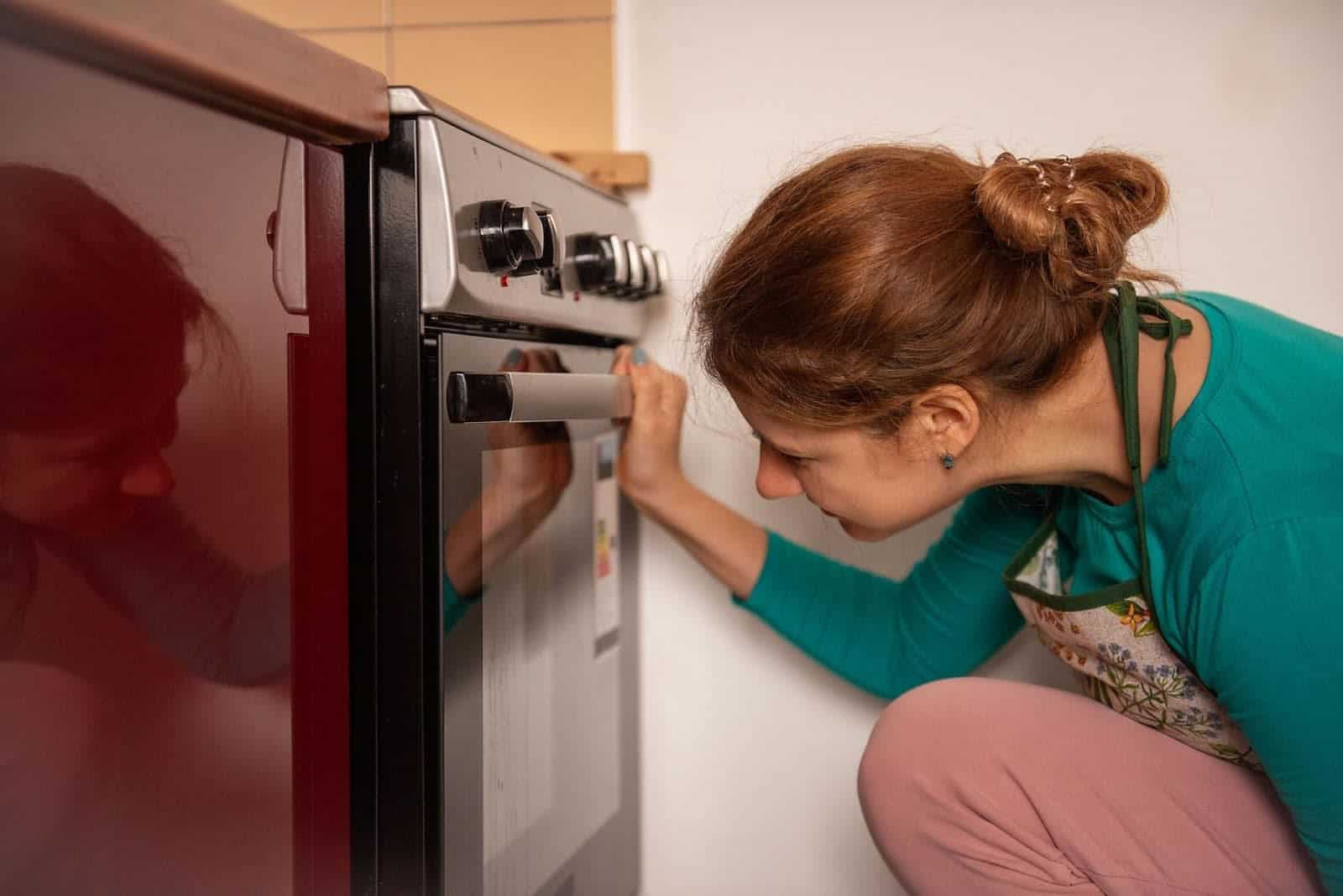
Gas ovens should never emit a persistent gas odor. A brief smell during ignition can be normal, but anything more than a quick “puff” should be evaluated immediately.
1. Weak or Failing Igniter
If the igniter isn’t getting hot enough, gas can build up before ignition, creating a noticeable odor.
This issue often appears alongside heating problems. Our guide on ovens not heating covers this in detail.
2. Unburned Gas From Delayed Ignition
A dirty igniter or burner assembly can delay ignition, causing a noticeable gas scent.
Fix:
A technician should inspect and clean the burner and igniter.
3. Continuous Gas Odor (Not Normal)
If you smell gas before, during, or after cooking, and it lasts more than a couple of seconds, turn the oven off immediately.
This can indicate:
- A leaking gas line
- A failing safety valve
- A malfunctioning igniter
Gas issues are strictly professional repairs.
If you want to confirm whether it's a heating or ignition-related failure, visit our oven, stovetop, and range repair page to see how we diagnose these problems.
Electrical Smells: Sharp, Metallic, or “Hot Wiring” Odors

Electrical smells usually indicate a serious failure.
Possible causes:
- Overheating control board
- Failing wiring harness
- Damaged element
- Shorted sensor
Signs it’s electrical:
- Sparks
- Flickering display
- Oven shutting off randomly
- Sudden loss of heat
These issues require professional repair—continuing to use the oven can cause further damage.
Rotten or Organic Smells
If you smell something unpleasant that isn’t electrical, gas, or chemical, it may simply be:
- Old food stuck inside
- Drippings under the bottom panel
- Something spilled behind the oven
- Something burning in the storage drawer under the oven
Remove the bottom panel and inspect the drawer before assuming a component has failed.
When a Strange Smell Means a Component Has Failed
Certain smells are clear indicators of failing parts:
- Burning plastic smell: Often caused by overheated wiring, failing control boards, or melting insulation.
- Sharp electrical smell: Typically caused by failing elements or damaged wiring.
- Gas smell: The most urgent issue is often an igniter or valve failure.
- Burned rubber smell: Can indicate a failing component or food debris stuck against the element.
In any of these cases, turn the oven off and schedule service promptly.
If you want to learn more about which oven components tend to fail, visit our article on common oven problems and how to prevent them.
When to Call a Technician

You should schedule professional service when:
- The smell is electrical
- The smell is persistent
- The oven won’t heat
- The smell appears every cycle
- There’s smoke or sparking
- You smell more than a brief gas “puff”
- A part visibly fails (melted element, cracked sensor, burned wiring)
If you need parts for a small DIY fix, our Ogden parts store can match heating elements, igniters, and temperature sensors to your exact model.
But for anything involving electrical components or gas systems, professional diagnostics are essential.
Get Rid of Oven Smells Safely
Not all oven smells are dangerous, but ignoring the wrong ones can lead to bigger problems. Burning food smells are normal. Electrical, chemical, or gas smells are not.
If your oven has a persistent odor or shows signs of a failing component, the trained team at iFiX Appliance Repair can diagnose the issue and get your oven back to safe, reliable operation. Book your oven repair service today, and check out our complete guide to oven repairs to learn more. For questions or scheduling, call (801) 731-4349.
Call (801) 731-4349 or book online. Same-day appointments available.