
A well-functioning refrigerator repair is a staple in every household. It's the unsung hero of our kitchens, keeping our food fresh and drinks cold. But what happens when this essential appliance starts acting up?
Worry not, dear homeowner! This will guide you through common refrigerator problems and provide DIY repair tips to keep your fridge running smoothly.
Importance of a Well-Functioning Refrigerator
A refrigerator is more than just an appliance; it's a vital part of daily life. A malfunctioning refrigerator can lead to spoiled food, wasted money, and a lot of frustration. Ensuring your it is in good working condition through regular maintenance and prompt refrigerator repair helps maintain food safety, saves energy, and keeps your household running efficiently.
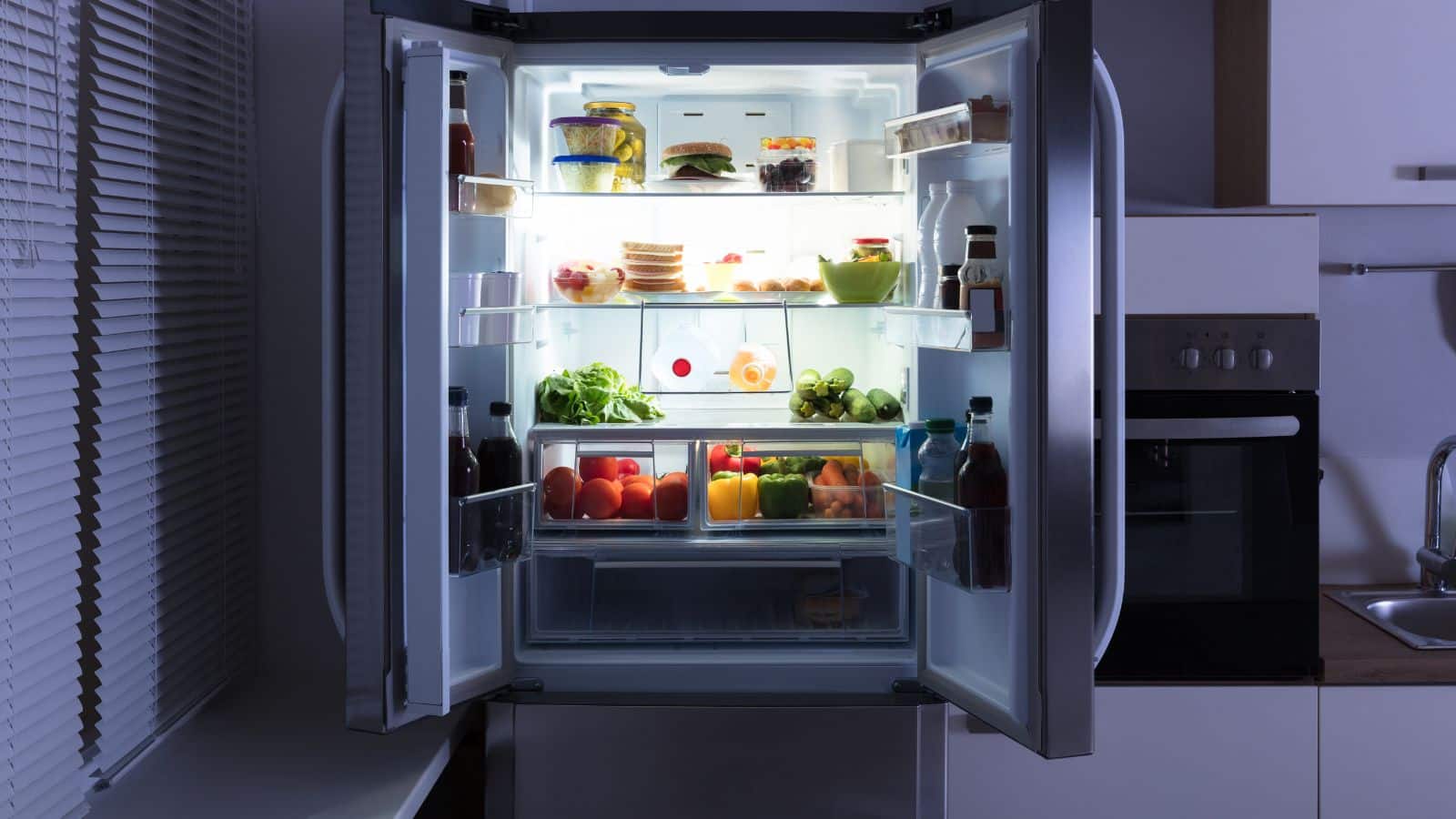
Troubleshooting Your Refrigerator
Before you start any repairs, it's crucial to identify the problem. Here are some common symptoms and their potential causes:
1. Unusual Noises
If your refrigerator is making strange noises, it could be due to several reasons. It might be a sign of a loose part, a faulty fan, or compressor issues. Investigate the noise source to pinpoint the problem.
2. Leaking Water
Water leaks can be caused by a clogged defrost drain, a damaged water supply line, or a faulty door seal. Identifying the cause of the leak is the first step towards fixing it.
3. Inconsistent Temperatures
Inconsistent temperatures can lead to spoiled food. This issue might be due to blocked vents, dirty coils, or a malfunctioning thermostat.
4. Frost Buildup
Frost buildup in the freezer can affect your refrigerator's efficiency. It can be caused by a faulty door seal, incorrect temperature settings, or a malfunctioning defrost system.
5. Malfunctioning Ice Maker or Water Dispenser
If your ice maker or water dispenser isn't working, it could be due to a clogged water line, a faulty valve, or issues with the control arm or switch.
Basic Tools Required for DIY Repairs
Having the right tools is essential for any DIY repair, including refrigerator repair. Here are a few basics you'll need:
- Screwdrivers (both flathead and Phillips): Essential for driving screws into various materials, flathead screwdrivers have a flat blade, while Phillips screwdrivers feature a cross-shaped tip for better grip.
- Pliers: Versatile tools used for gripping, twisting, and cutting wires or other materials, making them invaluable for a range of tasks.
- Multimeter: A crucial instrument for measuring voltage, current, and resistance, helping to diagnose electrical issues accurately.
- Flashlight: Provides portable illumination, essential for working in dimly lit areas or during power outages.
- Cleaning brush: Useful for removing dirt, dust, and debris from tools or surfaces, ensuring a clean and safe working environment.
Easy DIY Fixes for Common Refrigerator Repair Problems
Now that you've identified the problem let's move on to some practical fixes for refrigerator repair.
Not Cooling
If your refrigerator isn't cooling, it could be due to several reasons.
1. Checking and Cleaning the Condenser Coils
Dirty condenser coils can reduce your refrigerator's efficiency. Clean them regularly to ensure proper cooling.
2. Ensuring Proper Airflow
Blocked vents can cause cooling issues. Make sure there's enough space around your refrigerator for air to circulate.
3. Adjusting the Temperature Settings
Sometimes, the solution is as simple as adjusting the temperature settings. Check the thermostat and set it to the recommended temperature.
4. Replacing the Door Gasket
A worn-out door gasket can cause cool air to escape. Replace it to ensure a tight seal.
Making Strange Noises
Strange noises can be annoying and indicate underlying issues.
1. Identifying the Source of the Noise
Listen carefully to pinpoint where the noise is coming from. It could be the fan, compressor, or another part.
2. Cleaning or Replacing the Evaporator Fan
A noisy evaporator fan might need cleaning or replacing. This fan is responsible for circulating air within the refrigerator.
3. Tightening Loose Parts
Loose parts can cause rattling noises. Tighten any loose screws or bolts to fix the issue.
4. Checking the Compressor
The compressor is a crucial component. If it's making noise, it might need professional attention.
Water Leaking
Water leaks can cause significant damage if not addressed promptly.
1. Unclogging the Defrost Drain
A clogged defrost drain can cause water to leak. Clean it out to prevent this issue.
2. Checking the Water Supply Line
Inspect the water supply line for any cracks or damage. Replace it if necessary.
3. Replacing the Water Filter
A dirty or clogged water filter can cause leaks. Replace it regularly to ensure proper water flow.
4. Inspecting the Door Gasket
A faulty door gasket can also cause leaks. Ensure it's in good condition and replace it if needed.
Frost Buildup in the Freezer
Frost buildup can reduce your freezer's efficiency.
1. Adjusting the Temperature Settings
Ensure the temperature is set correctly to prevent frost buildup.
2. Checking the Door Seal
A damaged door seal can allow moisture to enter, causing frost. Inspect and replace it if necessary.
3. Defrosting the Freezer Manually
Manually defrost your freezer to remove excess frost. This can improve its performance.
4. Replacing the Defrost Thermostat or Heater
If manual defrosting doesn't help, the defrost thermostat or heater might be faulty and need replacing.
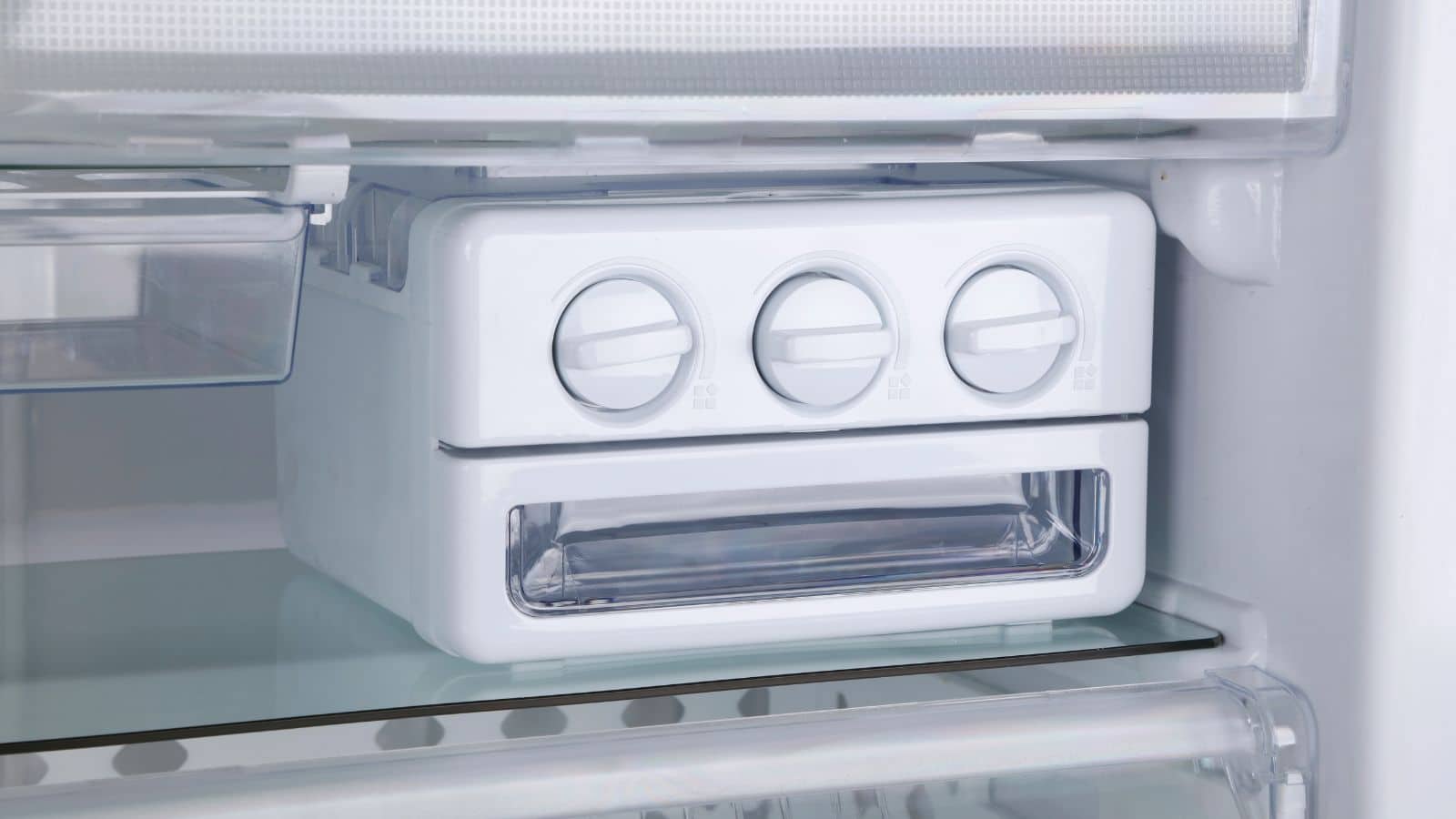
Ice Maker Not Working
A malfunctioning ice maker can be frustrating.
1. Checking the Water Supply
Ensure there's a proper water supply to the ice maker. Check for any blockages or issues with the water line.
2. Cleaning the Ice Maker
A dirty ice maker can affect its performance. Clean it regularly to keep it functioning properly.
3. Replacing the Water Filter
A clogged water filter can hinder the ice maker's performance. Replace it to ensure a steady water flow.
4. Troubleshooting the Control Arm or Switch
The control arm or switch might be stuck or faulty. Ensure they're in the correct position and functioning properly.
Light Not Working
A non-functioning light can be a simple fix.
1. Checking the Light Bulb
Check if the light bulb is burned out. Replace it with a new one if necessary.
2. Replacing the Light Switch
If the light switch is faulty, it won't turn the light on. Replace it to fix the issue.
3. Inspecting the Wiring
Check the wiring for any loose connections or damage. Ensure everything is connected properly.
When to Call a Professional
While DIY repairs can be rewarding, some issues, like refrigerator repair, require professional attention. Certain signs indicate that a professional's expertise is needed.
Compressor Failure
When a compressor fails, it can significantly impact the performance of your refrigerator. It's crucial to address this issue promptly, as continued operation without a functioning compressor can lead to more extensive damage. Always seek professional refrigerator repair or replacement to ensure the problem is resolved effectively.
Sealed System Leaks
Leaks in the sealed system of your refrigerator can compromise its efficiency and lead to further complications. Fixing these leaks requires specialized knowledge and tools, as improper repairs can exacerbate the issue. It's important to consult with a qualified technician who has experience in refrigerator repair to ensure a thorough and effective solution.
Electrical Issues
Electrical problems, including those related to refrigerator repair, can pose serious safety hazards, such as the risk of fire or electric shock. Diagnosing and fixing these issues often requires a trained professional who understands the complexities of electrical systems. Never attempt to resolve electrical problems on your own; always call a qualified electrician to ensure your safety and the integrity of your system.
Risks of Attempting Complex Repairs Without Expertise
Attempting complex refrigerator repairs without the necessary skills can lead to further damage and create safety risks for you and others. Many repairs require specific tools and knowledge that an untrained individual may not have. Always recognize your limits, and when in doubt, seek help from a professional to avoid costly mistakes and ensure proper repairs.
Preventive Maintenance Tips
Preventive maintenance can extend the lifespan of your refrigerator and reduce the need for refrigerator repair.
Regular Cleaning of Condenser Coils and Interior
Cleaning the condenser coils and interior of your refrigerator is crucial for maintaining efficient performance. Dust and debris can accumulate over time, leading to reduced cooling efficiency. A thorough cleaning every few months can help prolong the lifespan of your refrigerator and ensure it operates at peak performance, reducing the need for refrigerator repair.
Proper Organization and Storage of Food Items
Organizing food items is essential for allowing proper airflow within the refrigerator. When food is stacked too closely, it can block vents and lead to uneven cooling, potentially causing the need for refrigerator repair. By arranging items thoughtfully, you can also prevent overloading, which can strain the appliance and reduce its efficiency.
Checking and Replacing Door Gaskets
Door gaskets play a vital role in keeping cold air inside the refrigerator. Over time, gaskets can wear out or become damaged, leading to energy loss and inefficient cooling. Regularly checking their condition and replacing them when necessary can help maintain optimal temperature levels and save on energy costs, making them an important aspect of refrigerator repair.
Setting the Correct Temperature
Setting the refrigerator and freezer to the recommended temperatures is key to food safety and preservation. The ideal temperature for the refrigerator is typically between 35°F and 38°F, while the freezer should be set at 0°F. Maintaining these temperatures not only ensures that your food stays fresh and minimizes the risk of spoilage, but it can also prevent the need for refrigerator repair.
Allowing Proper Ventilation Around the Refrigerator
Ensuring adequate space around the refrigerator is essential for proper ventilation. Lack of airflow can cause the appliance to overheat, work harder than necessary, and eventually lead to the need for refrigerator repair. Keeping a few inches of space on all sides allows for efficient operation and helps maintain the right temperature inside.

Conclusion
Understanding the fundamentals of a refrigerator repair can significantly save both time and money. Mastering these basic skills allows you to troubleshoot common issues without waiting for a technician, which can often take days. By following practical tips and guidelines, you can address minor problems and maintain your appliance's optimal performance.
Moreover, knowing when to call in a professional for refrigerator repair can prevent small issues from escalating into costly repairs. Regular maintenance is crucial for extending your refrigerator's lifespan and ensuring it continues to function effectively. With a little effort and attention, you can enjoy the benefits of a well-maintained refrigerator for years to come!
Get Professional Help with iFiX Utah
If you're encountering issues with your refrigerator that you're unsure how to handle, don't hesitate to reach out to iFiX Utah for refrigerator repair. Our knowledgeable technicians are ready to assist with everything from simple repairs to complex issues, ensuring your appliance is back in top condition efficiently.
Call (801) 731-4349 or book online. Same-day appointments available.