
Troubleshooting Tips for Homeowners in Ogden and Northern Utah
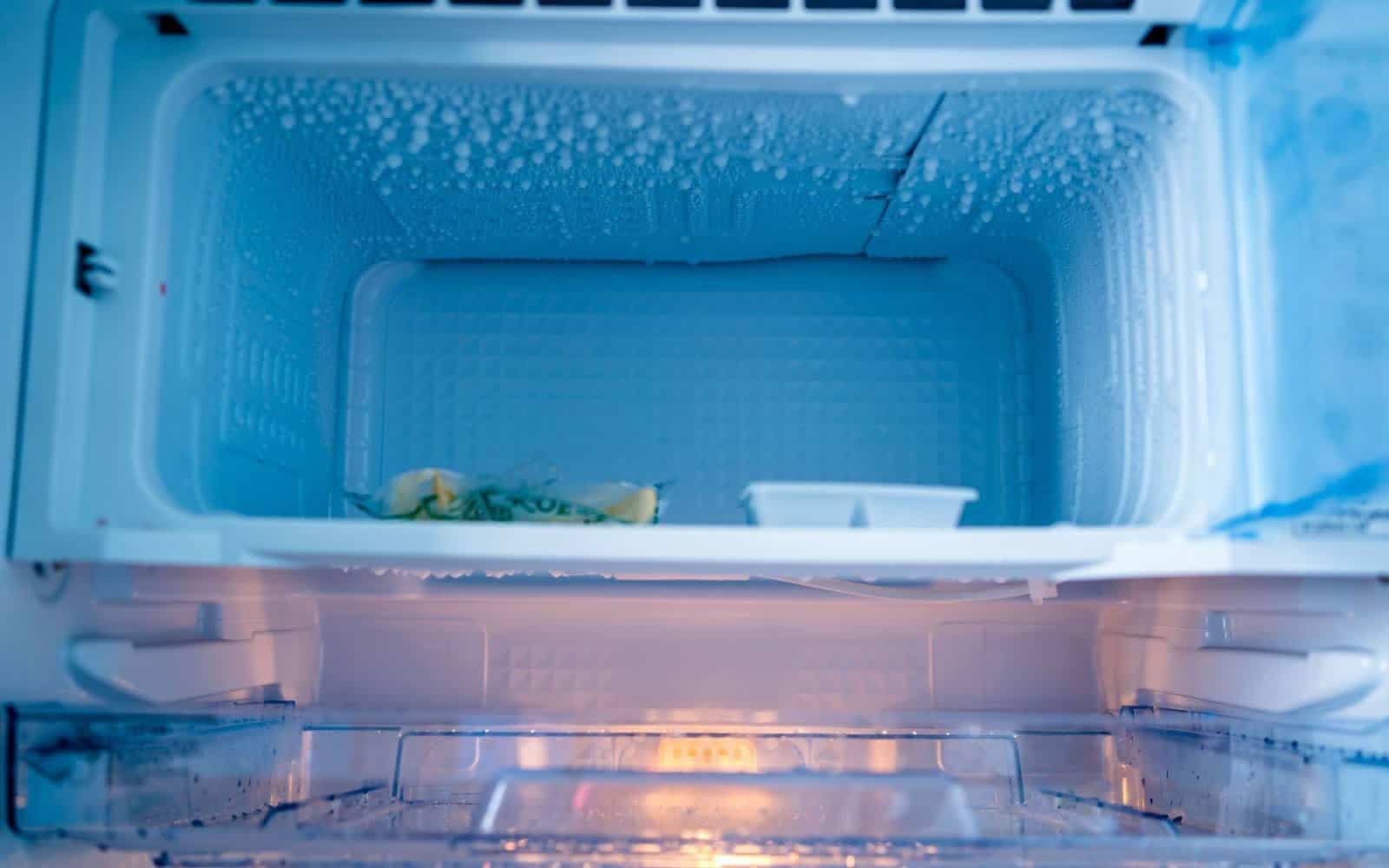
Have you ever opened your refrigerator expecting a blast of cold air only to find your milk lukewarm and your vegetables wilting? A fridge that’s not cooling properly is one of the most frustrating appliance issues homeowners face. In fact, the U.S. Department of Agriculture warns that food kept above 40°F for more than two hours can spoil, putting your family’s health and grocery budget at risk.
Your refrigerator is one of the hardest-working appliances in your home, running 24/7 to keep food fresh and safe. When it stops doing its job, the costs add up quickly, such as wasted groceries, higher energy bills, and even premature appliance replacement if the problem isn’t fixed.
In this post, we’ll walk you through the most common reasons your fridge might not be cooling, from simple fixes you can check yourself to more serious issues that call for professional help. You’ll also learn when it’s safe to try a DIY repair and when it’s time to call in iFiX Appliance Repair, Northern Utah’s trusted refrigerator repair experts.
Common Challenges and Misconceptions About a Fridge That’s Not Cooling
When your refrigerator stops keeping things cold, it’s easy to jump to conclusions or even overlook the real problem. Here are some of the most common misconceptions we see homeowners run into:

1. “If the light is on, the fridge must be working.”
Just because the light comes on when you open the door doesn’t mean the cooling system is fine. The light is powered by a separate circuit from the compressor, condenser fan, and evaporator fan. Many homeowners waste valuable time assuming the fridge is fine when, in reality, the cooling system isn’t running at all.
2. “Turning the thermostat all the way down will fix it.”
When the fridge isn’t cooling properly, some people crank the temperature dial to the coldest setting. Unfortunately, this can backfire. If airflow is blocked by frost buildup or dirty condenser coils, the fridge won’t cool efficiently, no matter what the dial says. In fact, pushing the thermostat lower can sometimes cause the unit to run harder, wasting energy without solving the problem.
3. “It’s probably dead. I’ll just buy a new one.”
It’s true that refrigerators eventually wear out, but many cooling issues are caused by fixable problems like a dirty condenser coil, broken fan motor, or faulty thermostat. Replacing a fridge can cost anywhere from $1,000 to $3,000, while many common repairs are just a fraction of that. Homeowners often save big by calling in a professional to diagnose the issue before rushing to replace their appliance.
Step-by-Step Guide: What to Do If Your Fridge Isn’t Cooling
Before you panic and start shopping for a new refrigerator, there are a few simple checks you can make at home. Here’s a step-by-step guide to troubleshooting a fridge that’s not cooling properly.
Step 1: Check the Power and Settings
It sounds basic, but make sure the fridge is actually plugged in and receiving power. Sometimes the outlet trips, especially in older homes around Ogden, where kitchens may share circuits. Verify that the temperature settings haven’t been accidentally changed. Your fridge should typically be set around 37–40°F, and the freezer at 0°F.
Safety Tip: Never attempt to bypass or “hot wire” a refrigerator outlet. Electricity is a serious hazard, and improper handling can cause shocks or fires.
Step 2: Inspect Airflow and Blockages
Refrigerators rely on consistent airflow between the freezer and fresh food compartments. If vents are blocked by overpacked shelves, air can’t circulate. In households where big families often stock up on bulk groceries, this is a common issue. Try reorganizing items so cold air can flow freely.
Example: We’ve helped Ogden homeowners who thought their fridge was “dead,” only to find the cooling vents blocked by a large pizza box. A simple adjustment saved them the cost of a service call.
Step 3: Clean the Condenser Coils
Dirty condenser coils are one of the top culprits for poor cooling. Located either behind or beneath your fridge, these coils release heat. If they’re clogged with dust and pet hair (especially common in homes with furry friends), the fridge can’t cool effectively.
Use a coil brush or vacuum attachment to clean them; just be sure to unplug the appliance first. A quick cleaning can improve efficiency and extend your fridge’s lifespan.
Learn more about why preventive maintenance matters in our Refrigerator Repair: How to Troubleshoot and Prevent Costly Fridge Problems post.
Step 4: Listen for the Fans and Compressor
Modern refrigerators use evaporator fans, condenser fans, and a compressor to keep things cold. If you don’t hear these running or you notice loud clicking or buzzing, it could indicate a failing component. While fans and thermostats can sometimes be replaced by confident DIYers, compressors and sealed systems require professional service.
Safety Tip: Never attempt to handle refrigerants or sealed system repairs yourself. These require special equipment and EPA certification. For jobs like this, it’s best to schedule a professional refrigerator repair service in Northern Utah.
Step 5: Decide If It’s a DIY Fix or Time to Call the Pros
Some issues, like cleaning coils, checking airflow, or replacing a door gasket, are safe for homeowners to tackle. Others, like a bad compressor or sealed system leak, are best left to experienced technicians.
We help homeowners make the right call. Whether you need guidance on identifying a replacement part through our appliance parts store or full-service repair, our team is here to help.
Why Professional Help Matters
While some cooling problems have simple fixes, many go deeper than a quick DIY check. A refrigerator is a complex system of electrical components, fans, and sealed refrigerant lines. Without the right tools and training, it’s easy to misdiagnose the issue, or worse, cause additional damage.
Where DIY Falls Short:
- Electrical hazards: Diagnosing wiring or control board problems without proper safety measures can be dangerous.
- Sealed systems: Refrigerant leaks and compressor failures require specialized gauges, recovery equipment, and EPA certification.
- Hidden costs: What looks like a small part swap can snowball if the underlying issue isn’t addressed, costing more in the long run.
Recently, a family in Ogden tried replacing their own thermostat after the fridge stopped cooling. Unfortunately, the real problem was a failing evaporator fan motor. By the time we were called, they had spent extra money on parts and lost a week’s worth of groceries. Our technician quickly identified the issue and had the fridge cooling again the same day.
That’s why calling a professional isn’t just about convenience. It’s about peace of mind. With us, you’ll have a trusted local team that knows how to get to the root of the problem quickly and safely.
Learn more about preventive strategies in our Refrigerator Repair: How to Troubleshoot and Prevent Costly Fridge Problems post, or schedule a professional repair to get your fridge back on track.
Keeping Your Fridge (and Food) Cool

A refrigerator that isn’t cooling properly can feel like a disaster, but in many cases, the solution is closer than you think. From checking your power supply and airflow to cleaning dirty condenser coils, there are safe DIY steps homeowners can take to troubleshoot the problem. Still, it’s important to recognize when the issue requires more than a quick fix. Electrical hazards, sealed system repairs, and hidden mechanical failures are best handled by trained professionals.
Catching cooling issues early not only prevents food spoilage and wasted grocery money but also extends the life of your refrigerator and saves you from the cost of an unnecessary replacement. With proper maintenance and timely repair, your fridge can keep working efficiently for years to come.
If your refrigerator isn’t keeping its cool, don’t stress. You don’t have to figure it out alone. We are here to help homeowners with trusted expertise, professional service, and even the right replacement parts for safe DIY fixes. A cooler, worry-free kitchen is only a call away.
Call iFiX for Refrigerator Repair in Northern Utah
If your fridge still isn’t cooling after basic troubleshooting, it’s time to bring in the experts. We’ve helped hundreds of homeowners get their refrigerators back to peak performance, saving them money, food, and stress.
Call us today at (801) 731-4349 or visit our refrigerator repair page to schedule service with Utah’s highest-rated appliance repair team.
Prefer to handle the fix yourself? Stop by our iFiX Appliance Parts Store in Ogden, where you can pick up manufacturer-approved parts the same day. Just bring your appliance model and serial number, and we’ll help you find exactly what you need.
Whether you need professional repair or DIY support, we are here to keep your fridge and your household running smoothly.
Call (801) 731-4349 or book online. Same-day appointments available.