
When it comes time to buy or repair a washing machine, one of the most common questions homeowners ask is whether front-load or top-load machines are more reliable. Both styles have their advantages, but they also fail in different ways. Understanding those differences can help you avoid unexpected breakdowns, reduce repair costs, and make smarter decisions when problems arise.
If your washing machine has started acting up, knowing how your machine is designed and where it commonly fails can make all the difference in deciding whether to repair it or plan for replacement.
How Front-Load and Top-Load Washing Machines Differ
Before comparing reliability, it helps to understand how each type of washing machine operates.
Front-Load Washing Machines
Front-load washers clean clothes by tumbling them through a small amount of water. This design is more energy-efficient and gentler on fabrics, which is why many homeowners prefer it.
They are known for:
- Lower water usage
- Higher spin speeds
- Better energy efficiency
- Improved cleaning performance
However, this design also relies on more seals, sensors, and electronic components, which can introduce additional points of failure over time.
Top-Load Washing Machines
Top-load washers use either an agitator or an impeller to move clothing through water. They tend to be simpler mechanically and are often easier to maintain.
They are known for:
- Simpler internal design
- Easier access for loading
- Lower repair complexity
- Greater tolerance for heavy loads
Because of this simplicity, top-load washers often experience fewer mechanical issues early in their lifespan.
Which Washing Machine Type Breaks Down More Often?
In general, front-load washing machines experience more frequent service issues than top-load models, though both can last many years with proper care. The difference isn’t about build quality — it’s about complexity.
Front-load washers:
- Use more electronic sensors
- Rely on tight door seals
- Spin at higher speeds
- Have more components that can wear out
Top-load washers:
- Use simpler mechanics
- Are less sensitive to load imbalance
- Have fewer seals that can leak
This means front-load machines tend to need service sooner, while top-load washers often run longer before major repairs are required.
Common Problems With Front-Load Washing Machines
Door Seal and Moisture Issues
One of the most common front-load problems involves the rubber door gasket. Because moisture collects around the seal, it can lead to:
- Mold or mildew buildup
- Odors
- Water leaks
- Premature seal failure
If not cleaned regularly, this area becomes a frequent source of service calls.
Drainage and Pump Failures
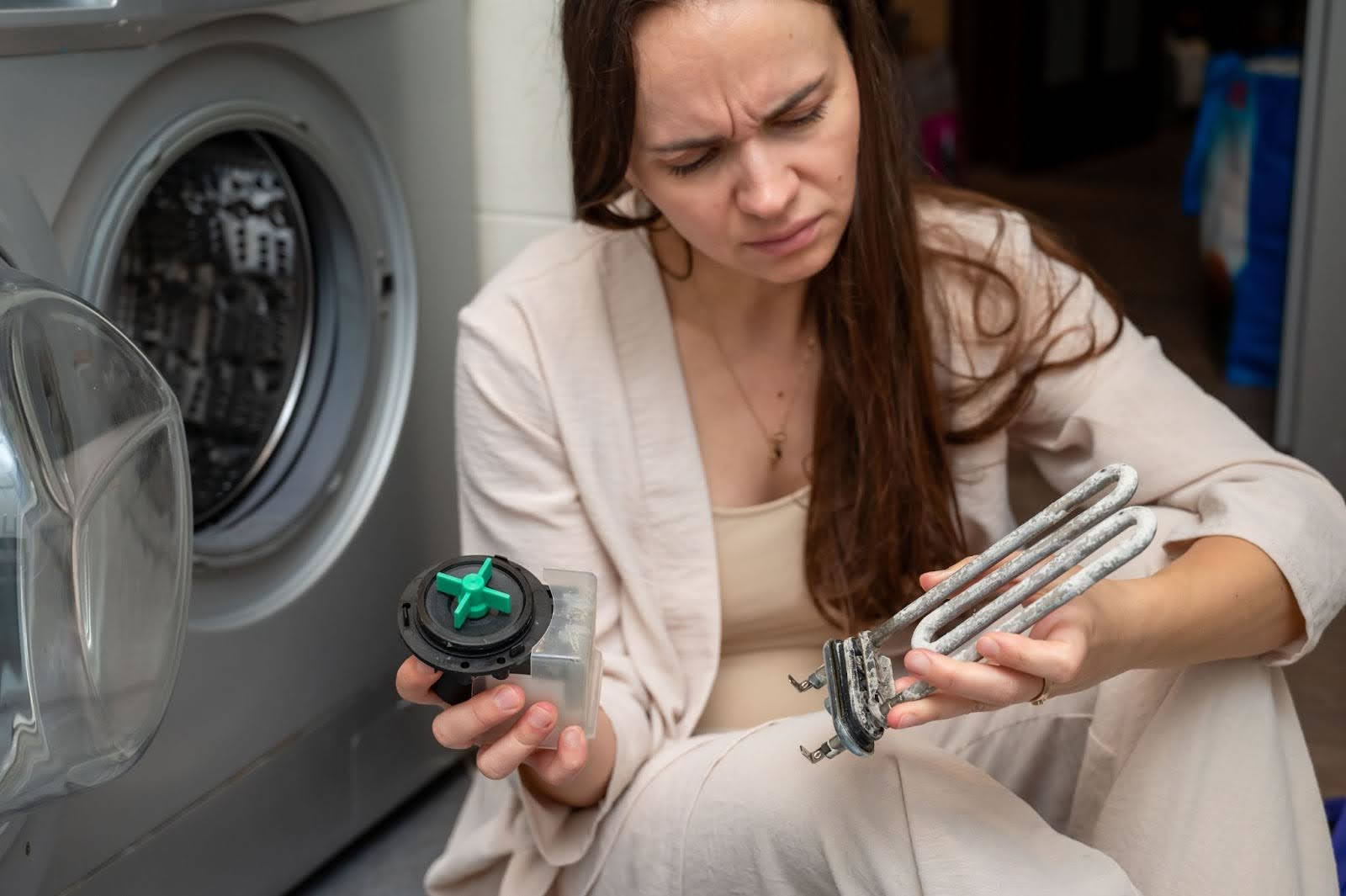
Front-load washers rely heavily on drain pumps to remove water efficiently. Small items like coins or lint can clog the system, preventing proper draining.
When this happens, homeowners may notice:
- Water left in the drum
- Error codes
- Failure to enter the spin cycle
This is a common reason a washing machine isn’t spinning properly, as the unit will often stop to protect itself if it can’t drain fully.
Electronic and Sensor Issues
Modern front-load washers use sensors to monitor load balance, water level, and spin speed. If one of these sensors fails or sends incorrect data, the washer may:
- Stop mid-cycle
- Refuse to spin
- Display error codes
- Operate inconsistently
These issues usually require professional diagnosis.
Common Problems With Top-Load Washing Machines
Agitator or Impeller Wear
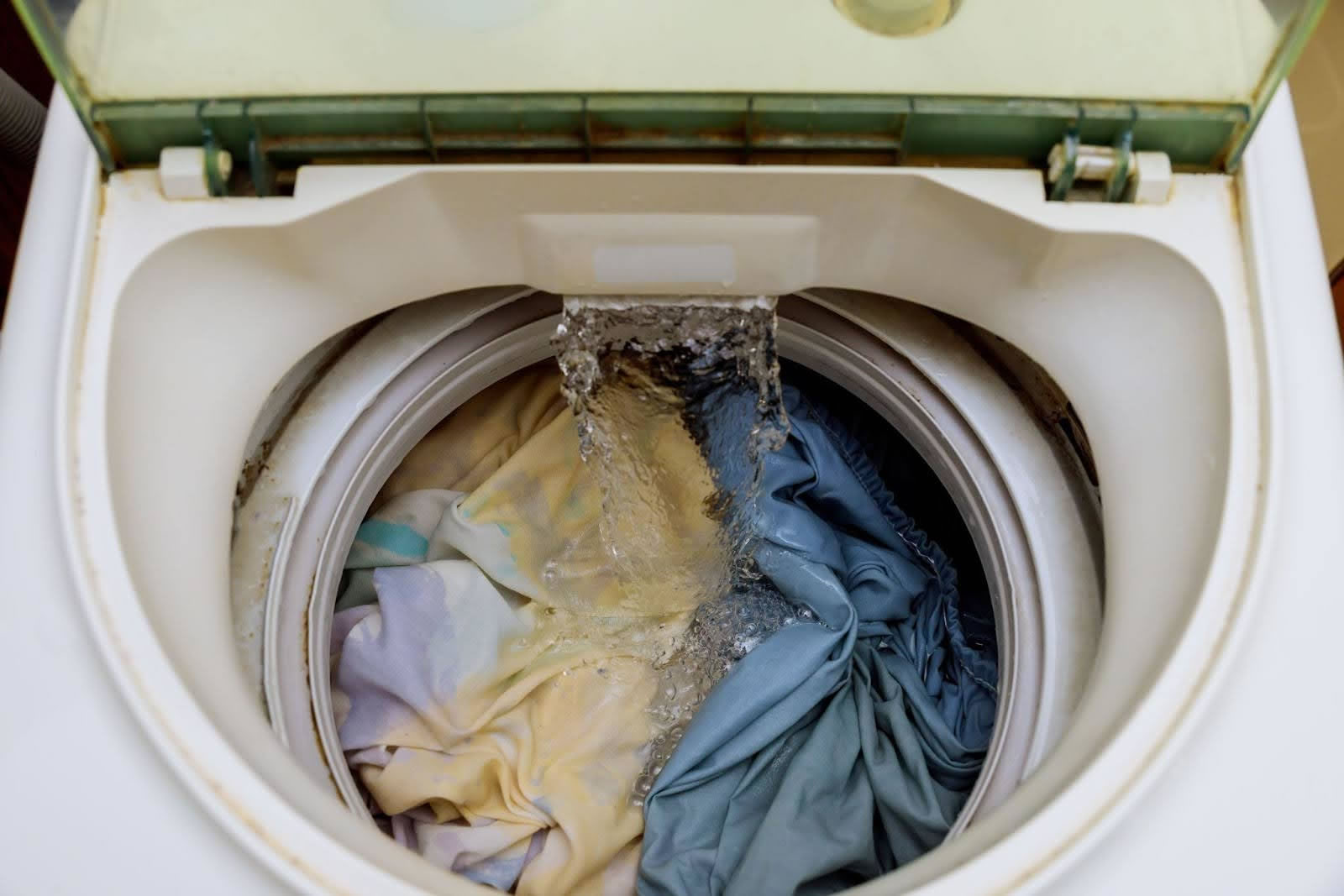
Top-load washers with agitators rely on mechanical movement to clean clothes. Over time, these parts can wear down or become loose, reducing performance and creating noise.
Common symptoms include:
- Weak agitation
- Loud knocking sounds
- Uneven cleaning
Suspension and Balance Issues
Although top-load washers handle heavy loads better, repeated imbalance can wear down suspension components.
When this happens, you may notice:
- Excessive shaking
- Banging during spin cycles
- Washer movement across the floor
Left unchecked, this can damage internal components and shorten the life of the machine.
Motor and Transmission Wear
Older top-load washers use mechanical transmissions that eventually wear out. Signs of failure include:
- Grinding noises
- Burning smells
- Inconsistent spinning
These problems usually worsen over time if not addressed.
Which Type Lasts Longer?
On average:
- Top-load washers last 10–14 years
- Front-load washers last 8–12 years
However, lifespan depends heavily on:
- Load size habits
- Frequency of use
- Maintenance routines
- Water quality
- How quickly issues are addressed
A well-maintained front-load washer can easily outlast a neglected top-load model.
What Causes Most Washing Machine Breakdowns?
Regardless of design, most washing machine failures come from the same root causes:
- Overloading the drum
- Ignoring unusual noises
- Poor drainage
- Lack of routine cleaning
- Delayed repairs
These problems often start small but grow worse when ignored. Learning to recognize early warning signs can help prevent major breakdowns.
If you’re already noticing symptoms, it may help to review common washing machine problems and how they typically develop.
When to Repair vs. Replace
A general rule of thumb:
- Under 8 years old → Repair is usually worthwhile
- Over 10 years old → Replacement may be more cost-effective
- Frequent breakdowns → Replacement is often the better choice
A professional inspection can help determine whether repair or replacement makes more sense for your situation.
Why Professional Diagnosis Matters
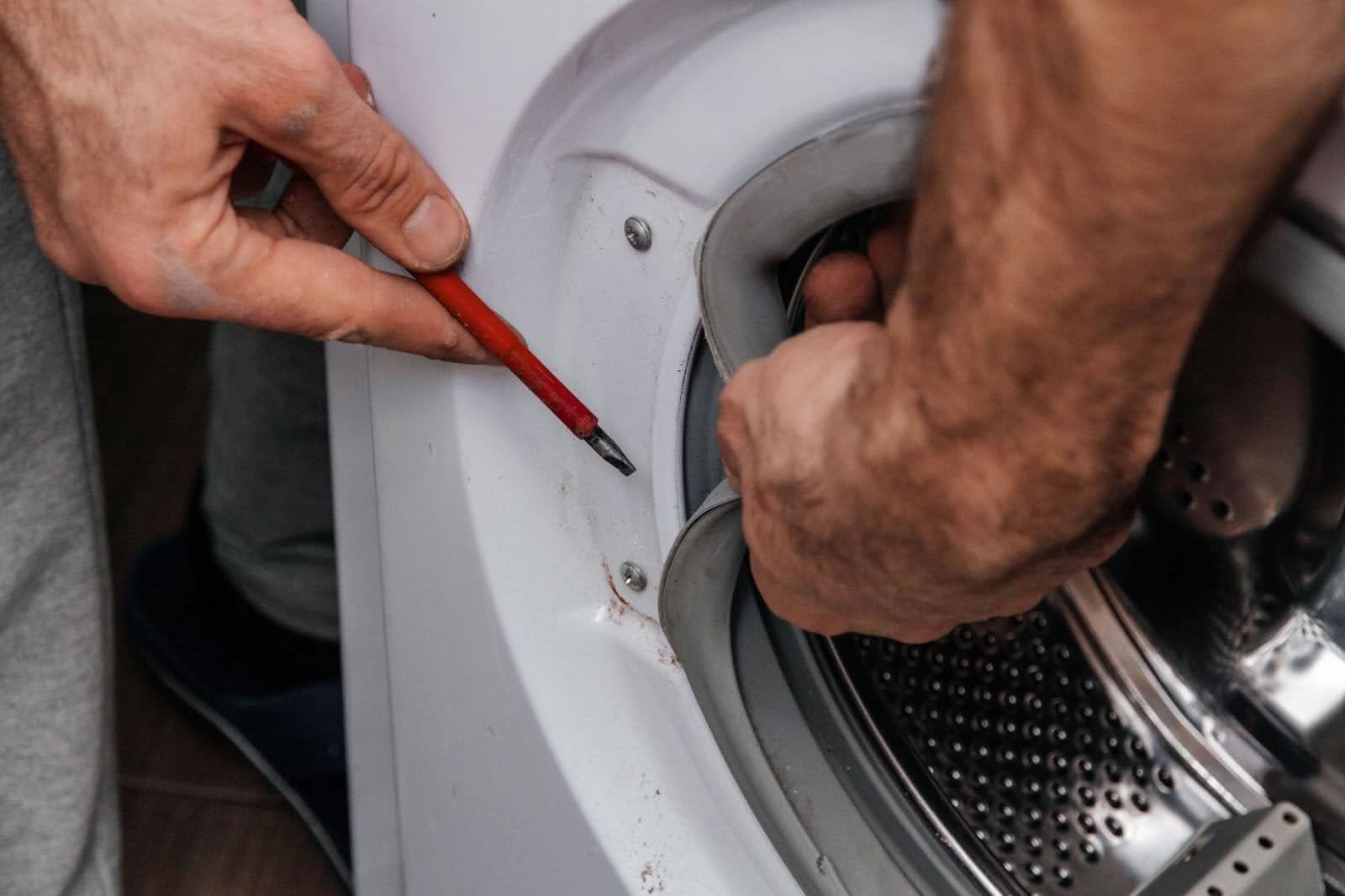
Modern washing machines are far more complex than they appear. What seems like a minor issue may actually be a symptom of a larger internal problem.
Professional technicians can:
- Identify the root cause of the issue
- Prevent repeat failures
- Use manufacturer-approved parts
- Ensure safe operation
If your washer is making unusual noises, failing to spin, or behaving inconsistently, professional washing machine repair can help resolve the issue before it leads to more costly damage.
When Small Problems Become Big Ones
Most washing machine failures don’t happen overnight. They start with small warning signs, like a noise, a vibration, or a longer cycle time.
Over time, these minor issues place extra strain on internal components. What could have been a simple fix turns into a major repair or full replacement.
If your washer isn’t working the way it used to, addressing the issue early can save money, reduce downtime, and extend the life of your appliance. In many cases, scheduling professional washing machine repair early is the best way to avoid unexpected breakdowns.
Call (801) 731-4349 or book online. Same-day appointments available.